Our Integrated Farming Ecosystem
At Daye Farm Ltd., we practice integrated farming where each component supports and enhances the others. Our cattle provide natural fertilizer for crops, cashew trees offer shade for mushroom cultivation, and our diverse crop selection ensures soil health throughout the year.
Our Integrated System
At Daye Farm, every element works together in perfect harmony. Our livestock, crops, and trees form a sustainable cycle that nurtures the land and maximizes productivity.
Click any image to enlarge or play videos
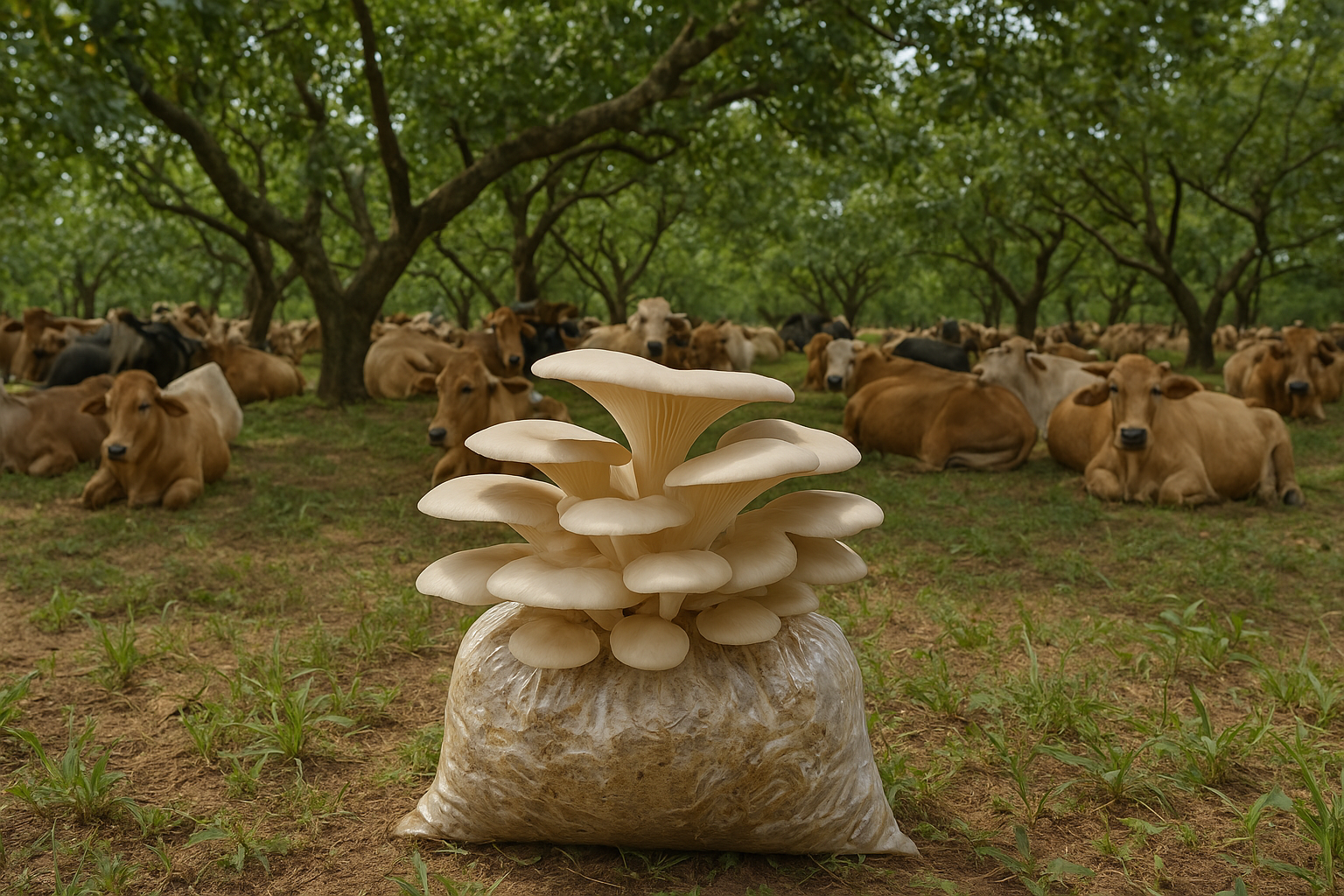
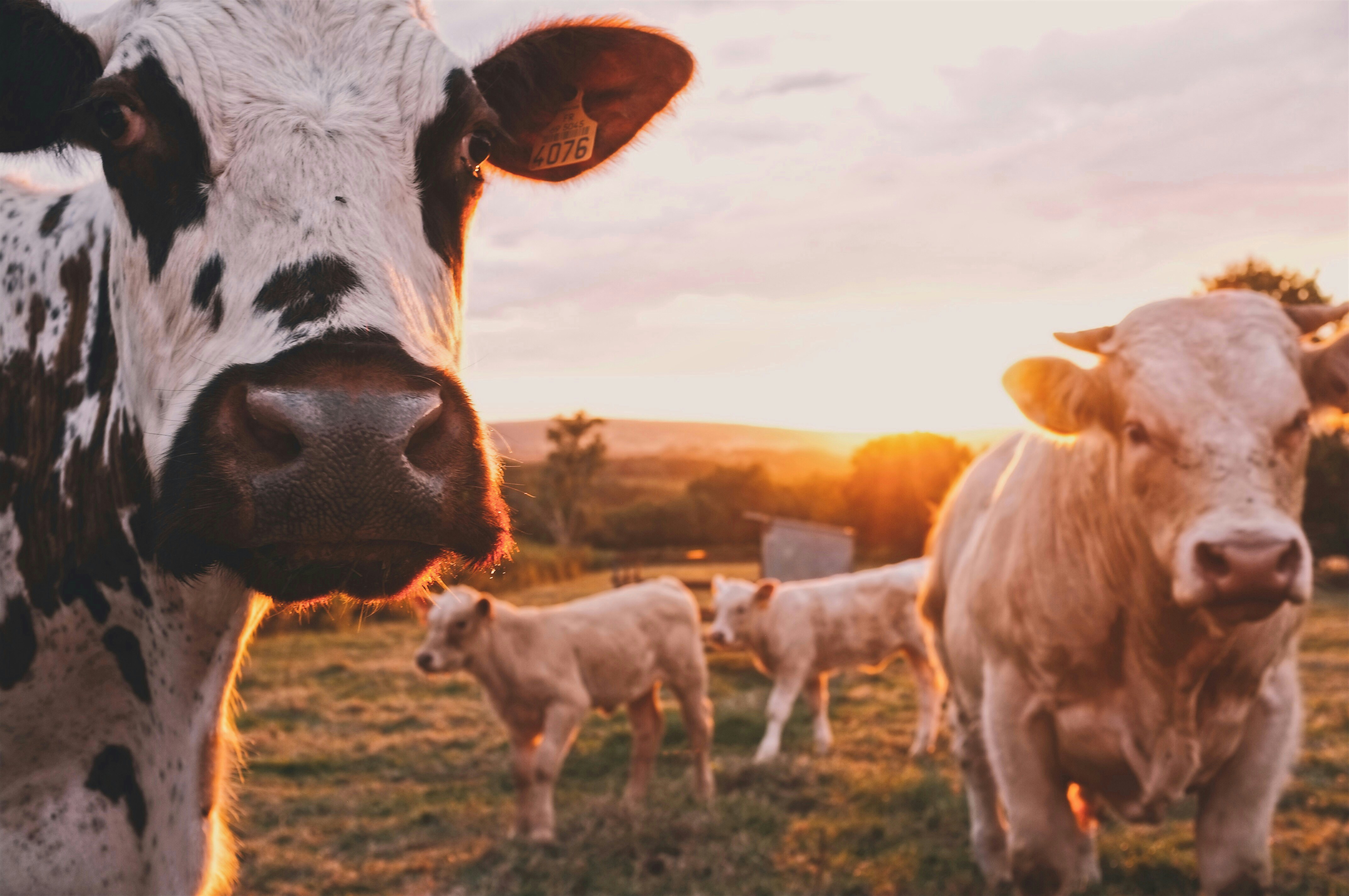
Our healthy livestock grazing
Livestock
Our cattle graze naturally on pastures, providing organic fertilizer that enriches the soil. Their manure becomes the foundation of our soil health, completing nature's perfect cycle.
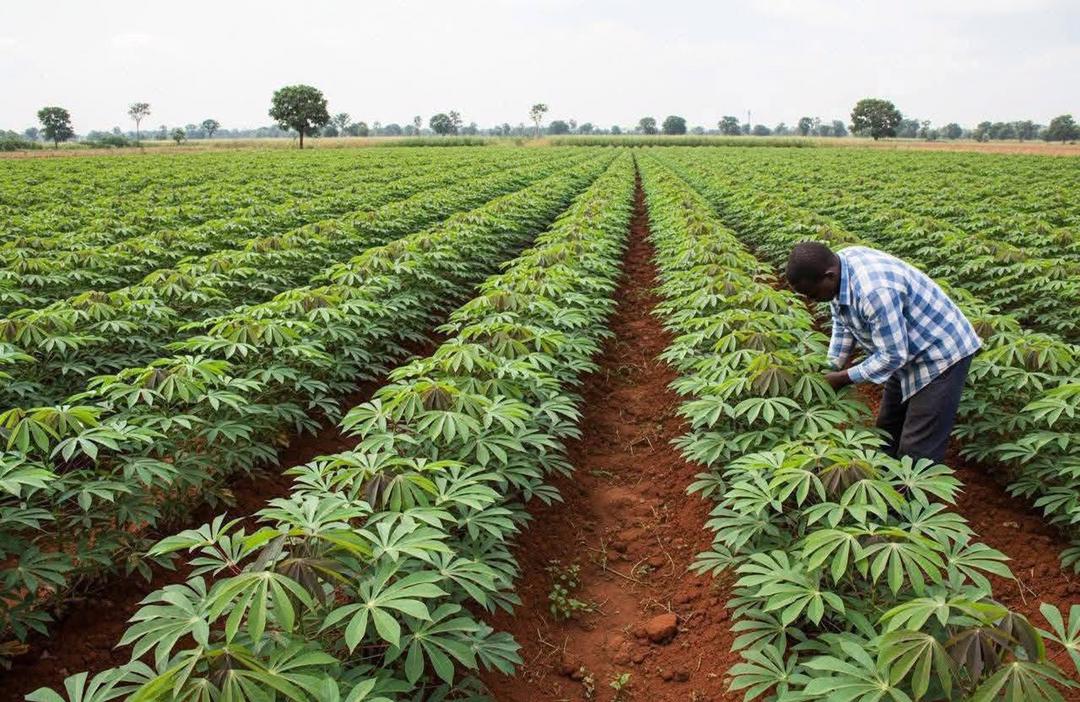
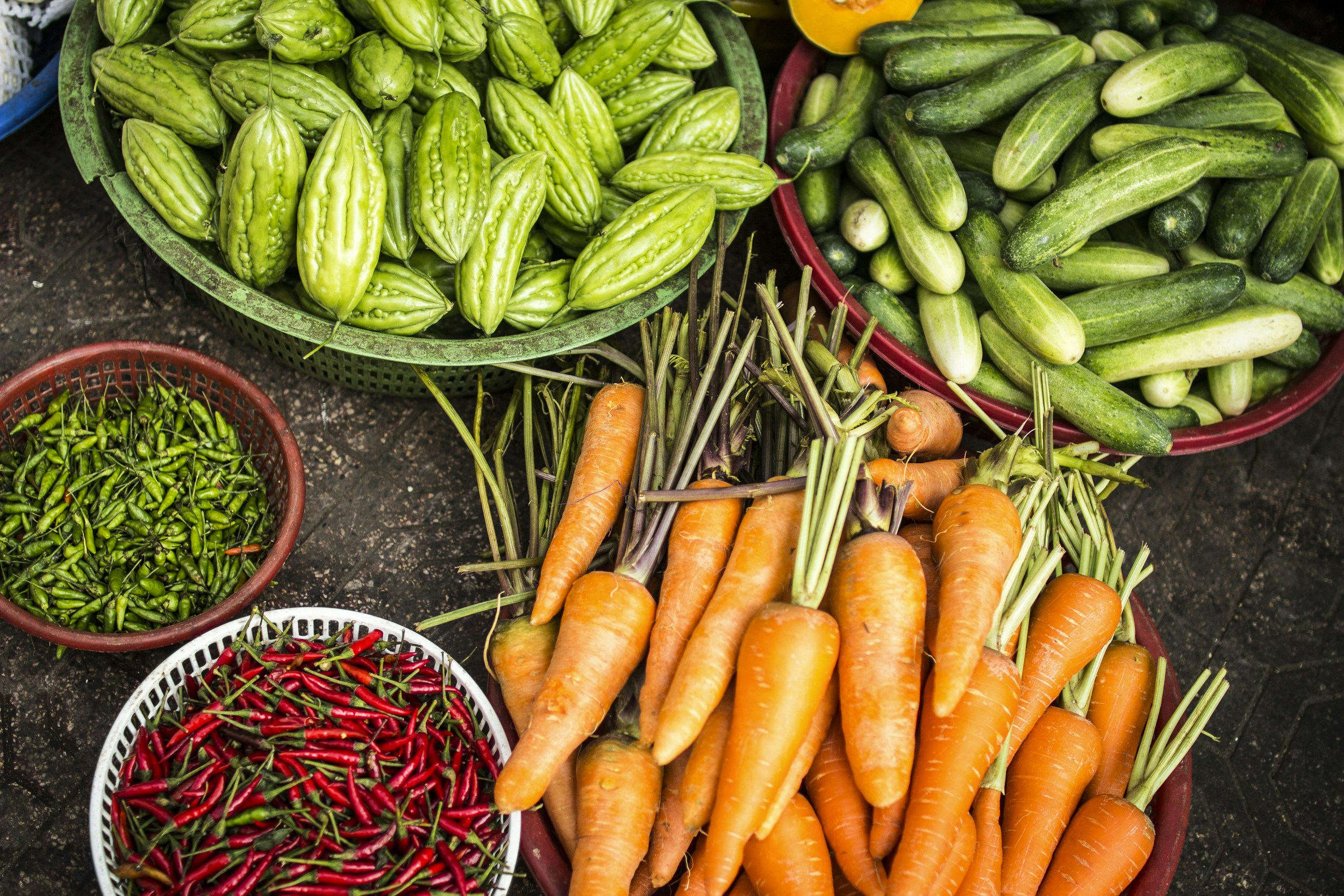
Our flourishing crops
Crops
Cassava, yams, and sweet potatoes thrive in our enriched soil. The nutrients from livestock manure and decomposed organic matter create the perfect growing conditions for abundant harvests.
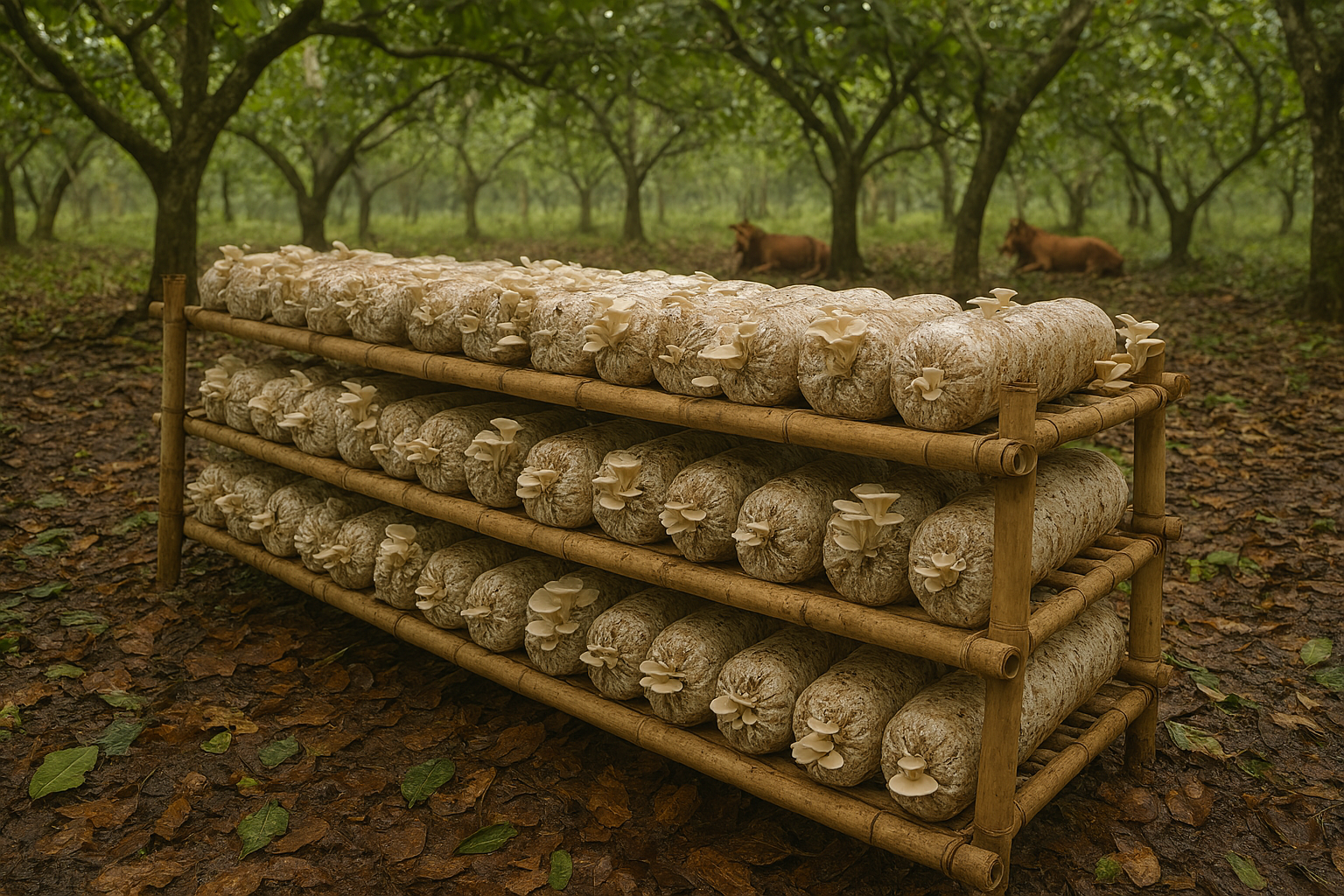
Cashew trees and mushroom cultivation
Trees & Mushrooms
Our cashew trees create the perfect microclimate for mushroom cultivation beneath their canopy. This multi-layered approach maximizes land use while maintaining ecological balance.
The Natural Cycle
Livestock provides nutrients
Crops grow abundantly
Trees create microclimate
Cycle continues
The Benefits of Our Tropical Farmland
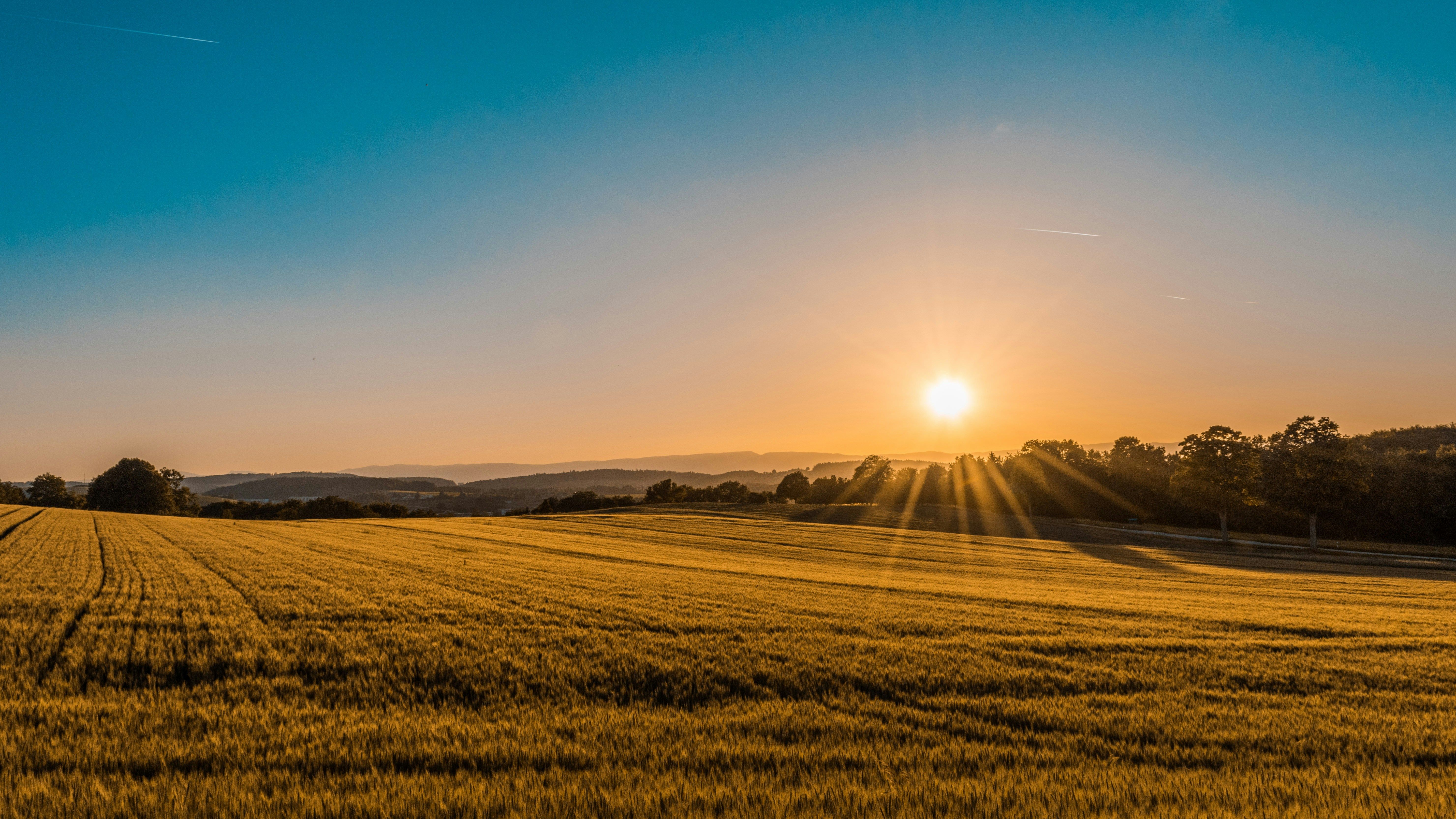
Natural Nutrient Cycling
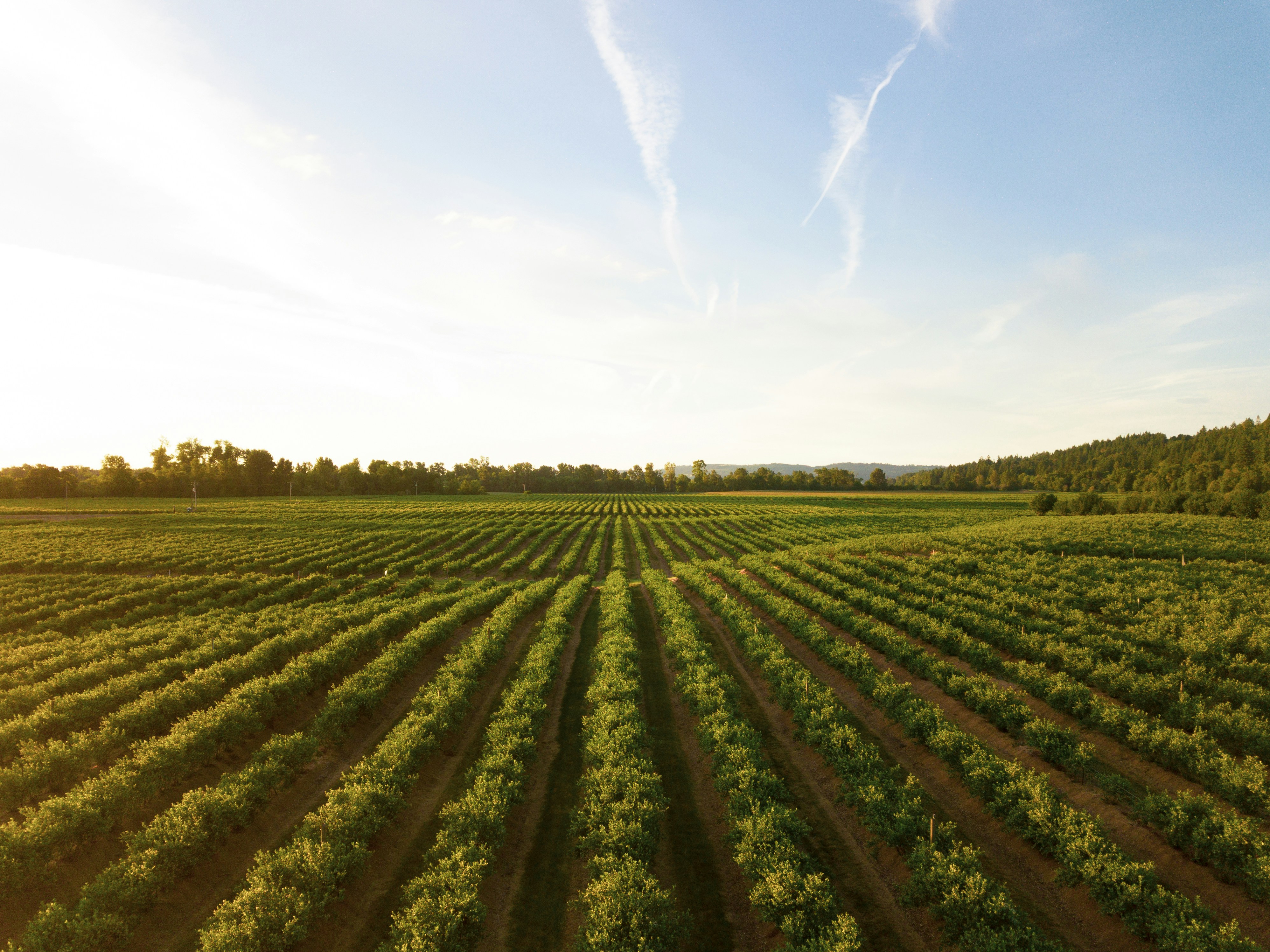
In the heart of our tropical farmland, nature's wisdom guides our every practice. Our cattle roam freely, their natural waste becoming gold for our soil. This organic matter enriches the earth, feeding the microorganisms that make nutrients available to our crops.
Unlike chemical fertilizers that deplete soil over time, our natural cycle builds soil health year after year. The result? Crops that are more nutritious, more flavorful, and grown in harmony with nature.
Reduced Environmental Impact
Our tropical farm operates on a simple principle: take nothing from the earth that we cannot return. Every action is measured against its impact on the environment. By integrating multiple farming systems, we minimize waste and maximize efficiency.
Water that nourishes our crops seeps into the ground, replenishing aquifers. Trees planted throughout the farm capture carbon and provide habitat for beneficial insects. Nothing goes to waste—crop residues feed livestock, livestock manure feeds crops.
Building Soil Health
Beneath the surface of our tropical farmland lies a thriving ecosystem. Rich, dark soil teeming with life—earthworms, beneficial bacteria, fungi—all working together to create the perfect growing medium.
This isn't achieved overnight. It's the result of years of careful stewardship, of understanding that healthy soil is the foundation of everything we do. Each season, our soil becomes richer, more resilient, more productive.
Year-Round Productivity
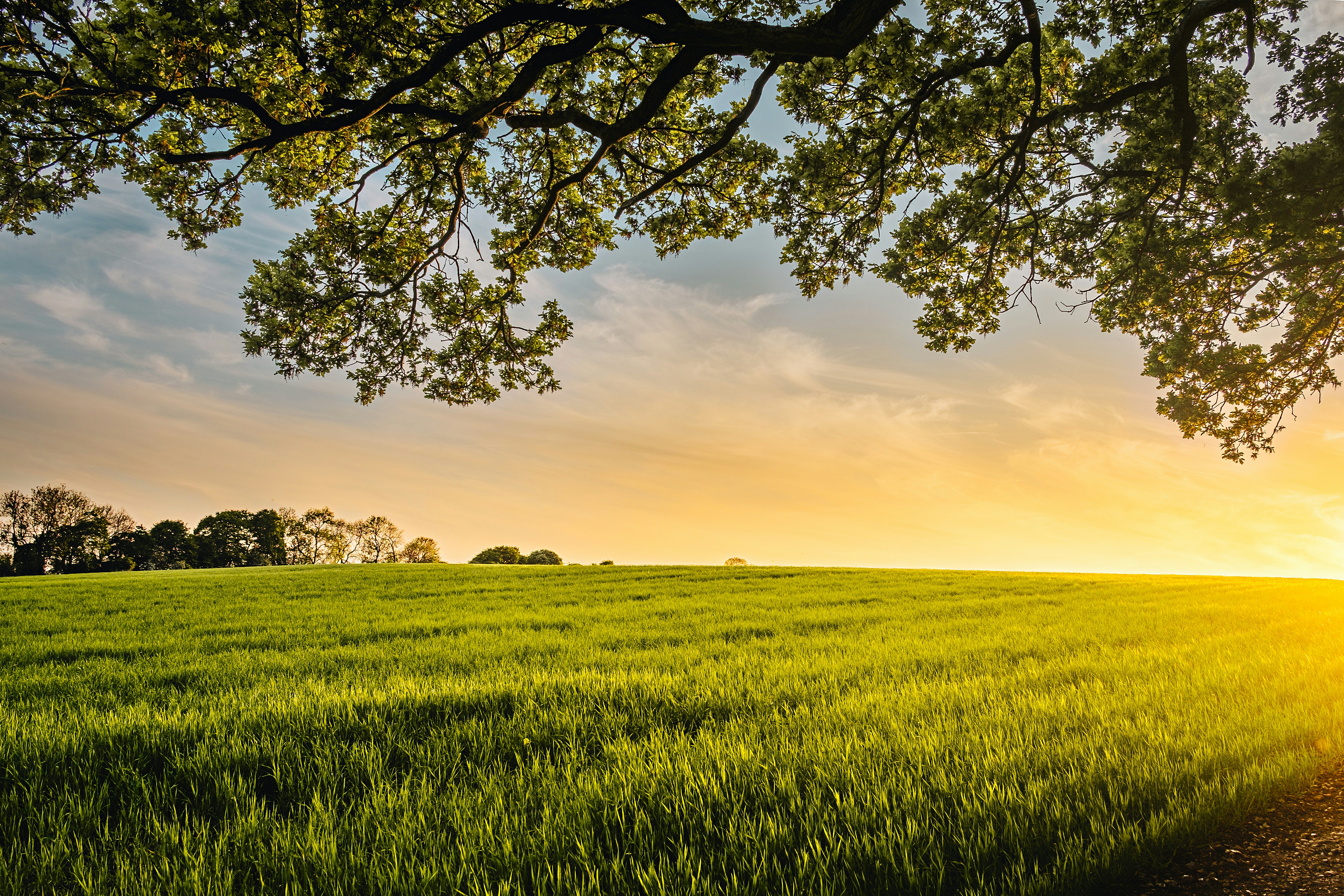
The tropical climate blesses us with extended growing seasons and abundant sunshine. But we don't just rely on nature's generosity—we enhance it through smart planning and diversification.
While cassava matures in one section, yams are being planted in another. Cashew trees provide shade year-round for mushroom cultivation. Our farm never sleeps, never lies fallow unnecessarily. Every day, something is growing, something is being harvested, something is returning to the soil.
How It Works Together
Each element of our farm plays a vital role in the greater ecosystem. Here's how they interconnect to create a thriving, sustainable operation.
Nutrient Cycling
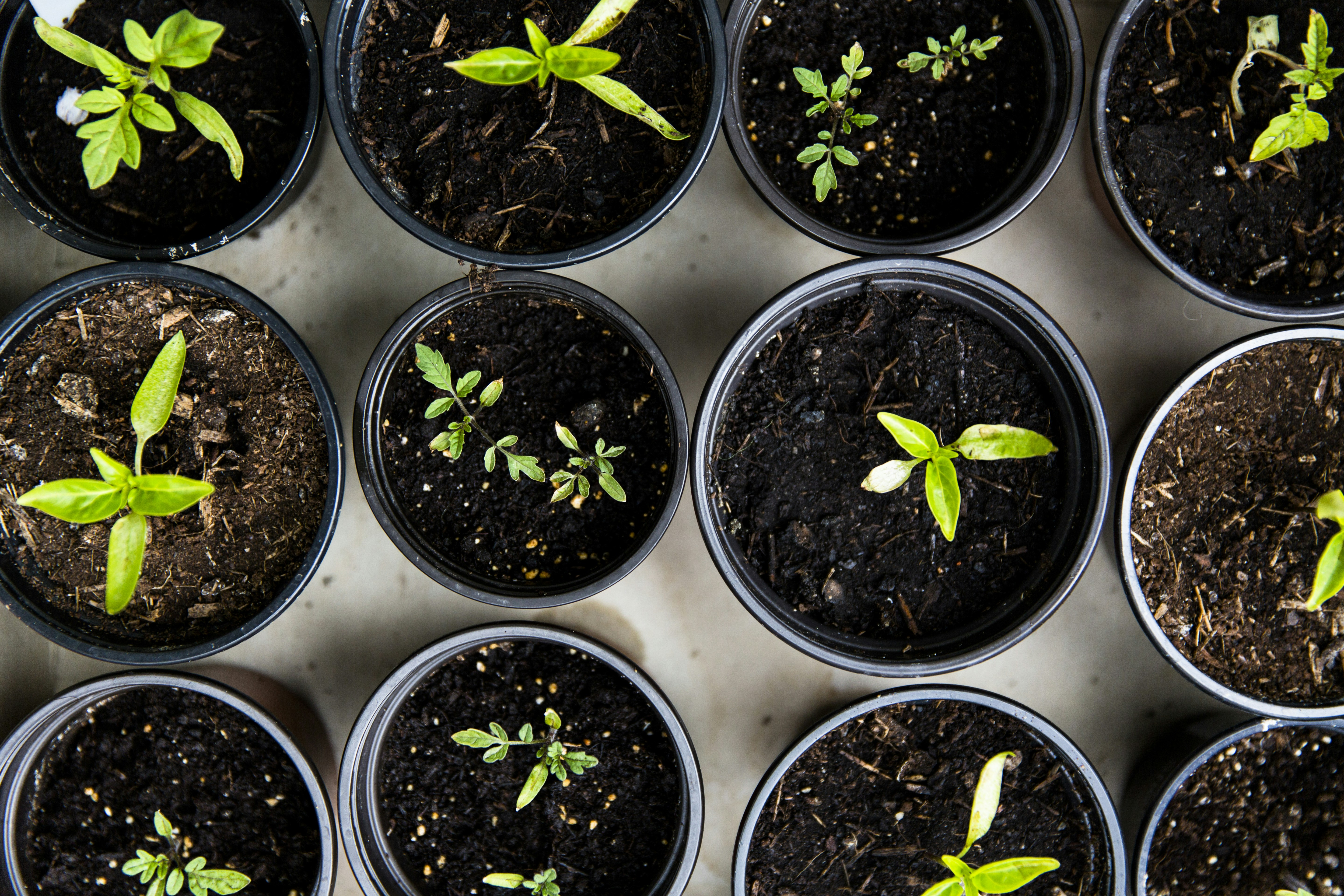
Cattle provide natural fertilizer that enriches the soil for our crops. Crop residues and farm waste are composted and returned to the land, creating a closed-loop system where nothing is wasted.
Water Management
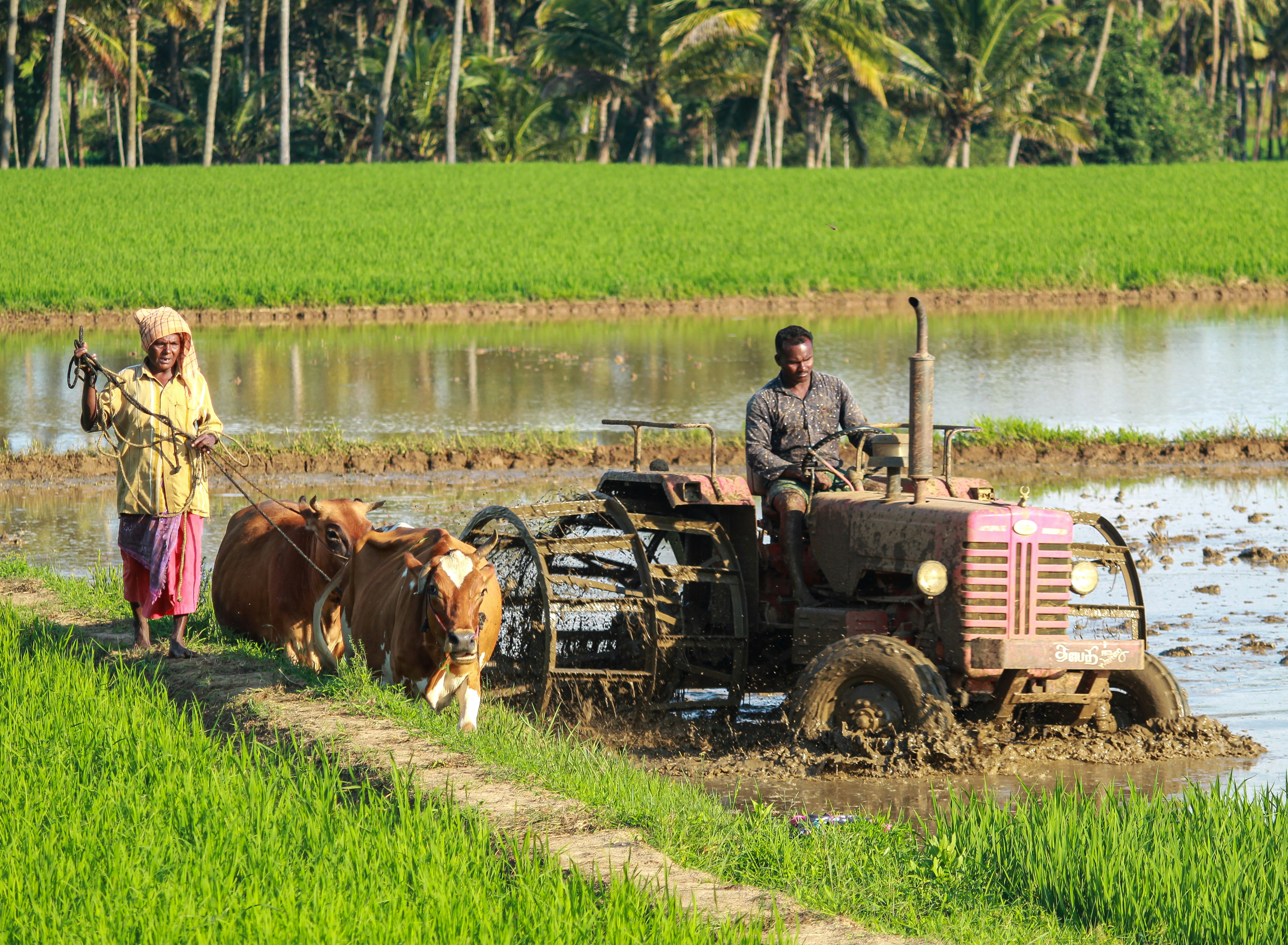
Strategic placement of crops and trees helps retain soil moisture. Our cashew trees provide shade that reduces water evaporation and creates ideal conditions for mushroom growth beneath their canopy.
Light Optimization
Multi-layered farming maximizes land use. Cashew trees provide partial shade for mushroom cultivation while allowing sufficient sunlight for understory crops, making the most of every ray of tropical sunshine.
Soil Health
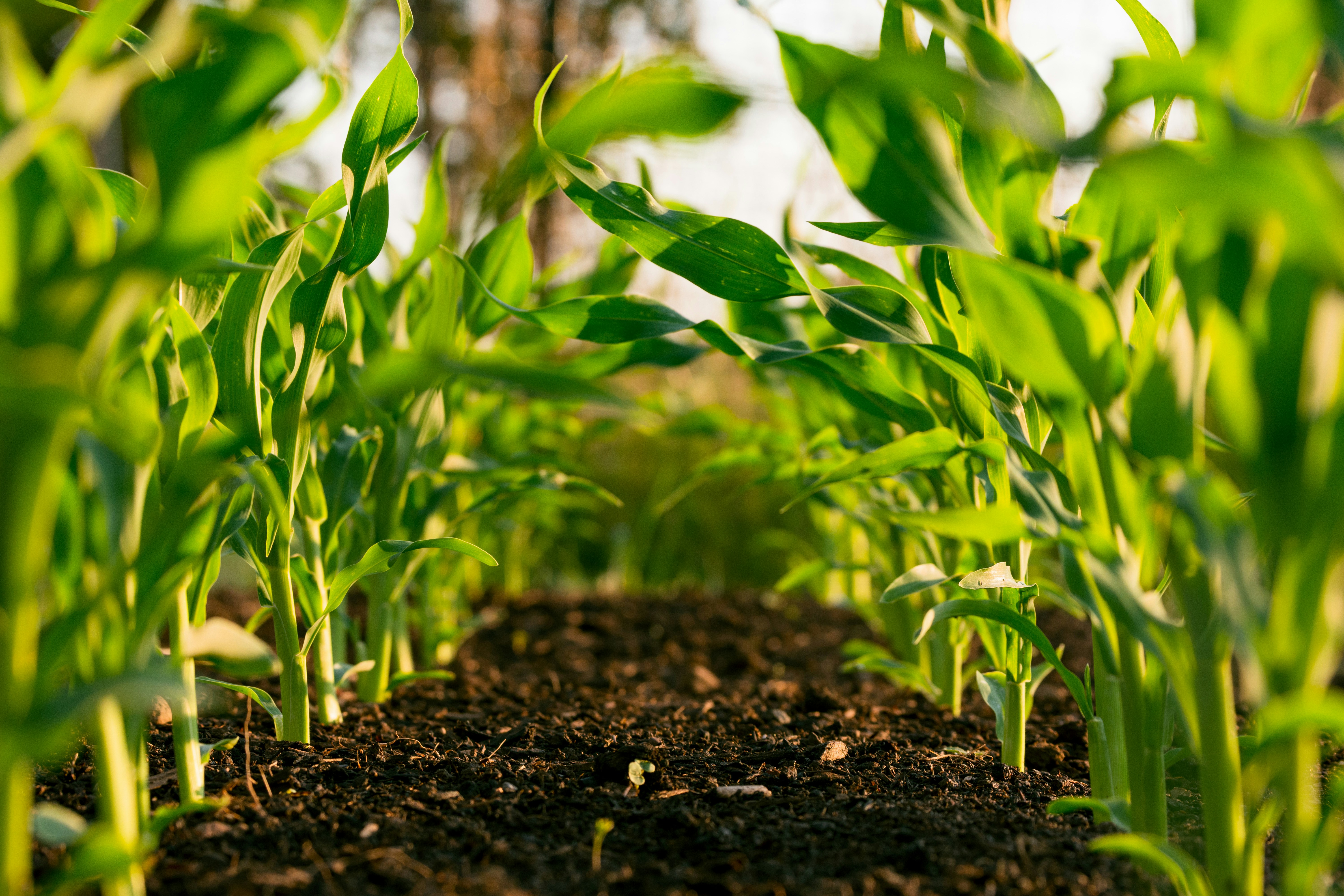
Diverse crop rotation and integration of livestock grazing prevent soil depletion. Tree roots stabilize the soil and improve its structure and fertility over time, building a foundation for generations.